About this Himalayan Trek
A UNESCO valley that blooms with the monsoon
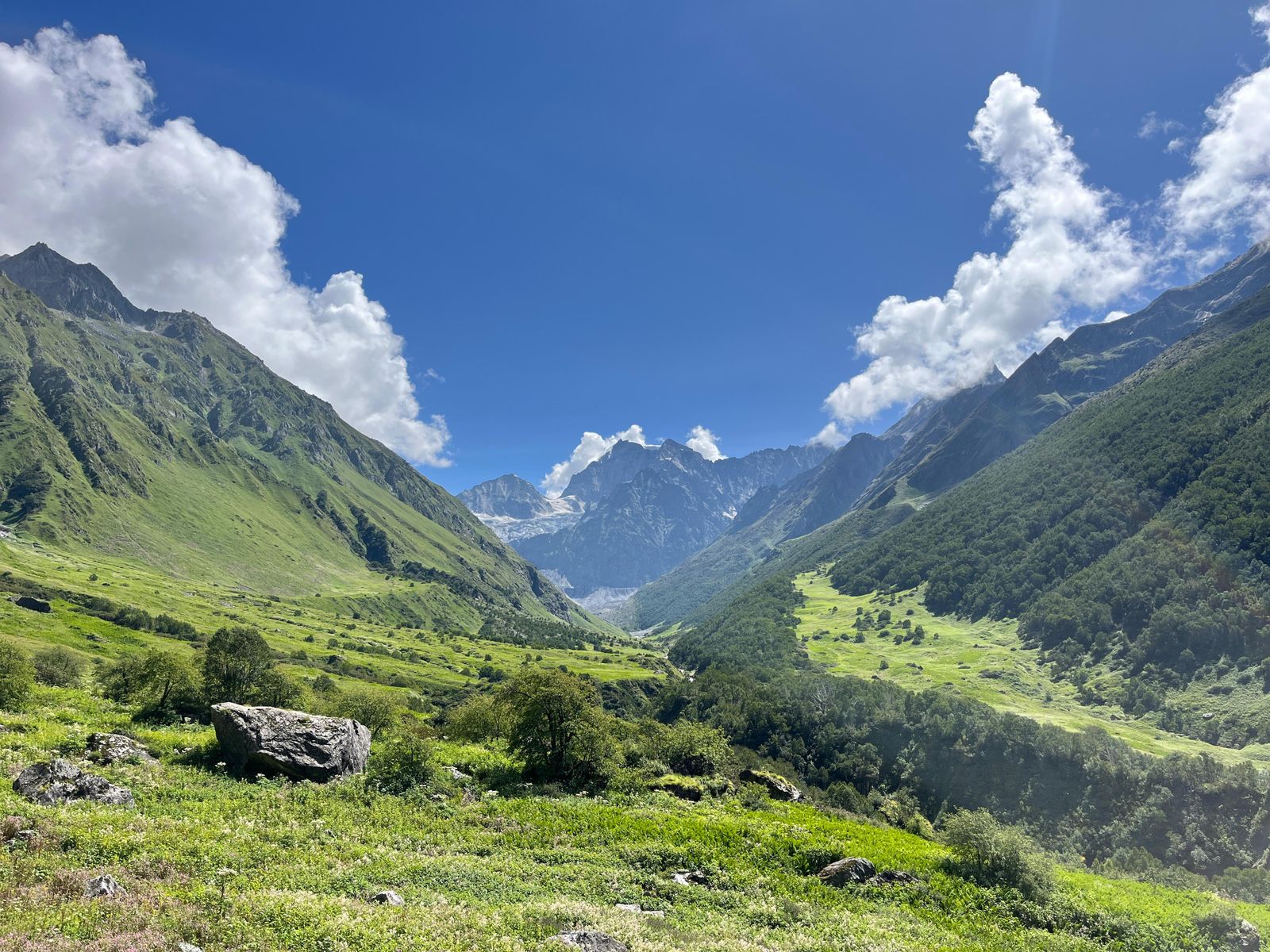
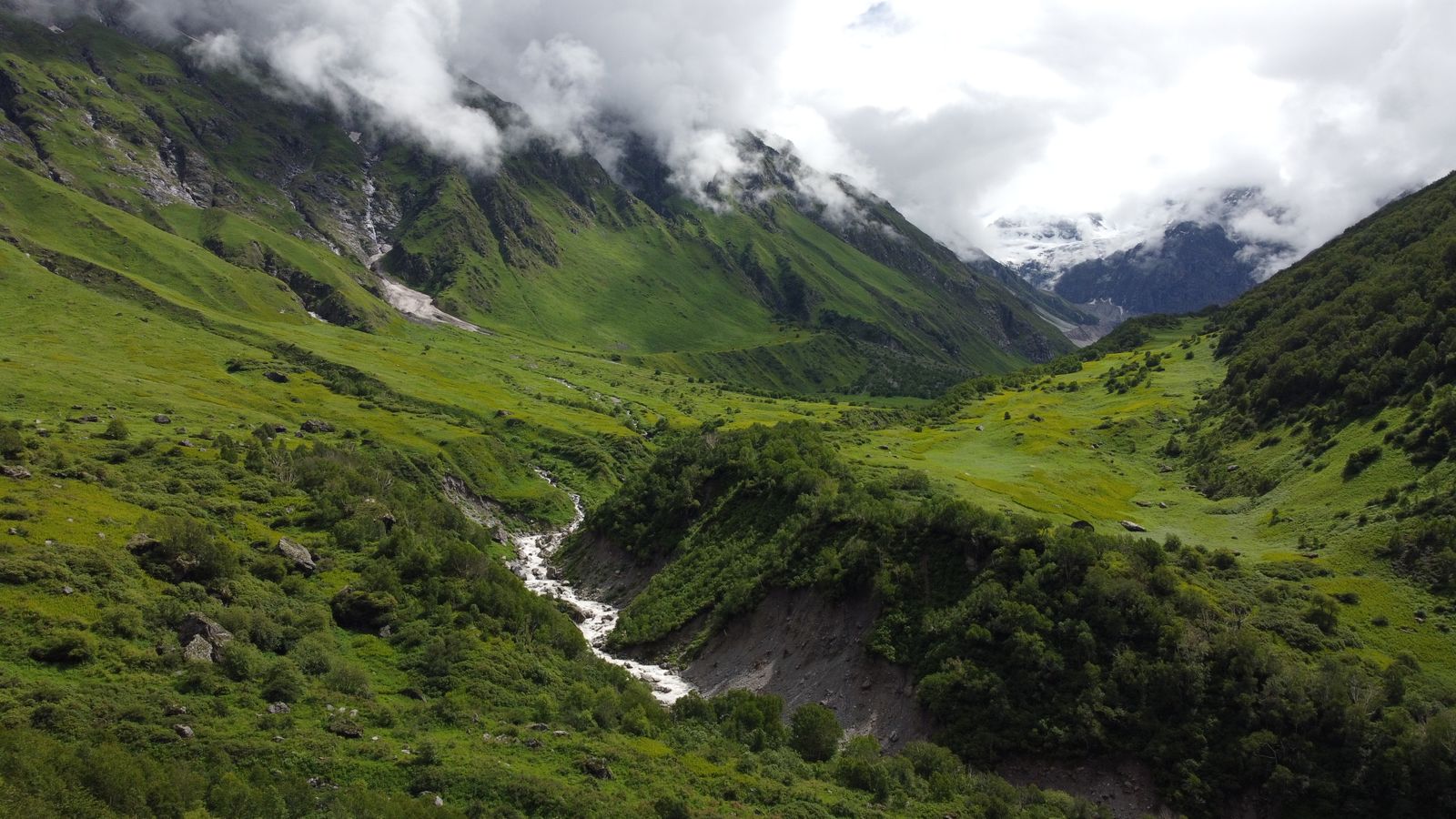
The Valley of Flowers is a UNESCO World Heritage site where, each monsoon, an entire high valley erupts into a carpet of hundreds of species of alpine wildflowers against a backdrop of snow peaks.
Reached by a scenic trek from Govindghat via Ghangaria, this 6-day guided trip includes stays, meals, the forest permit and a guide, with mules/porters for hire. It is a moderate trek best done in the July–September bloom.
Trip Highlights
The Himalayas' most famous flower meadow
The UNESCO Valley of Flowers
Hundreds of alpine flower species
The scenic Ghangaria trek
Snow-peak & waterfall views
Forest permit & guide handled
Stays, meals & support included
Trip Gallery
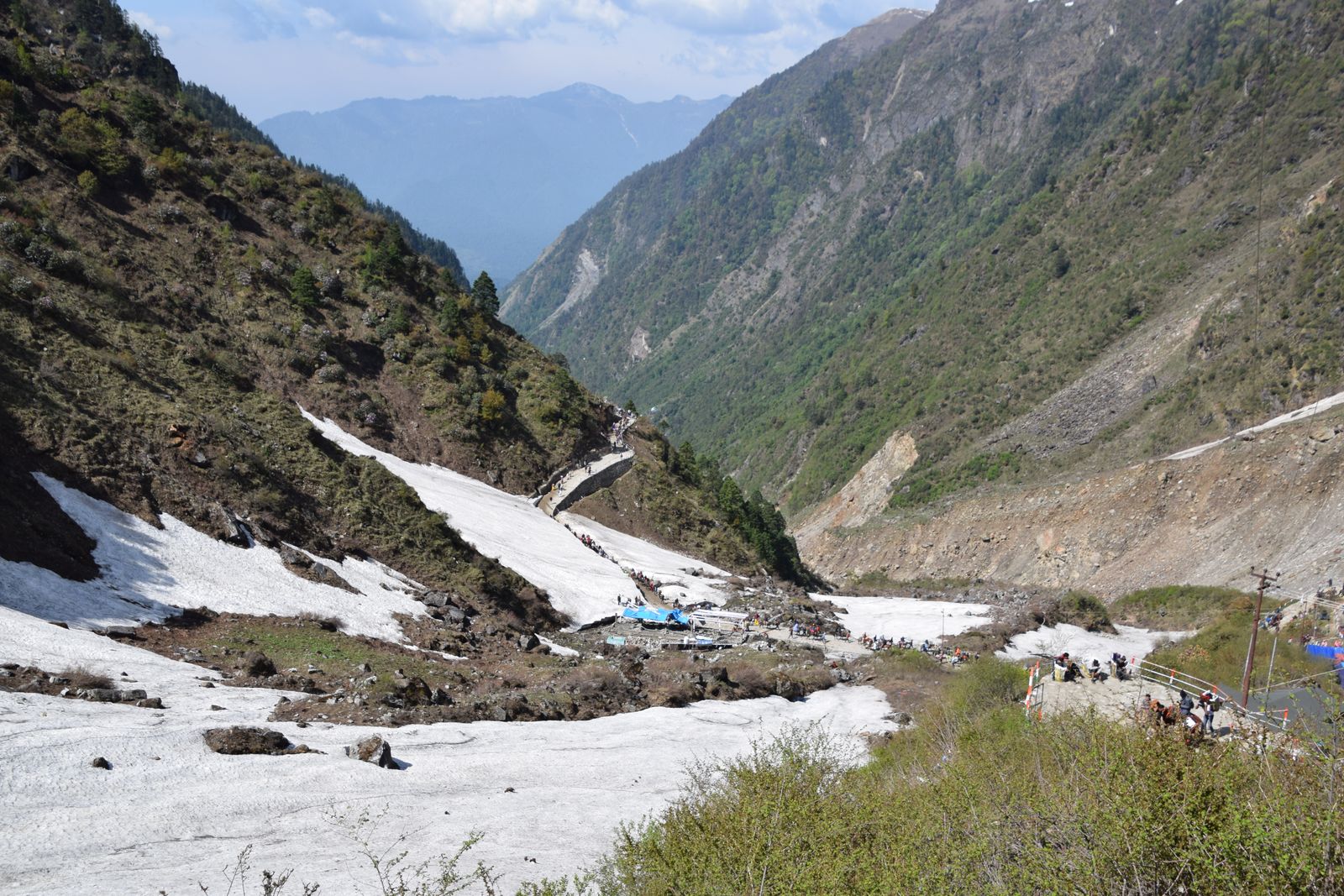
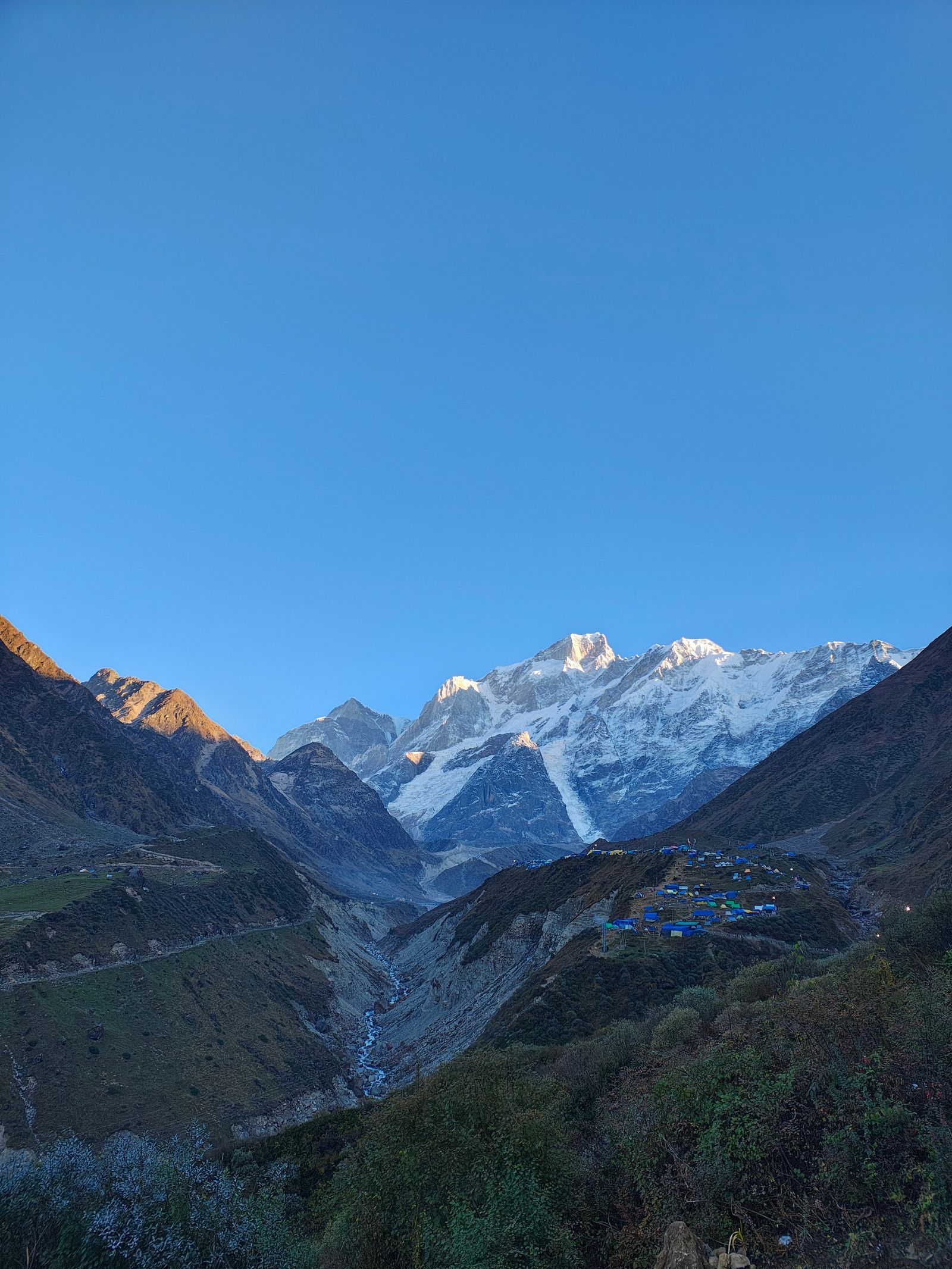
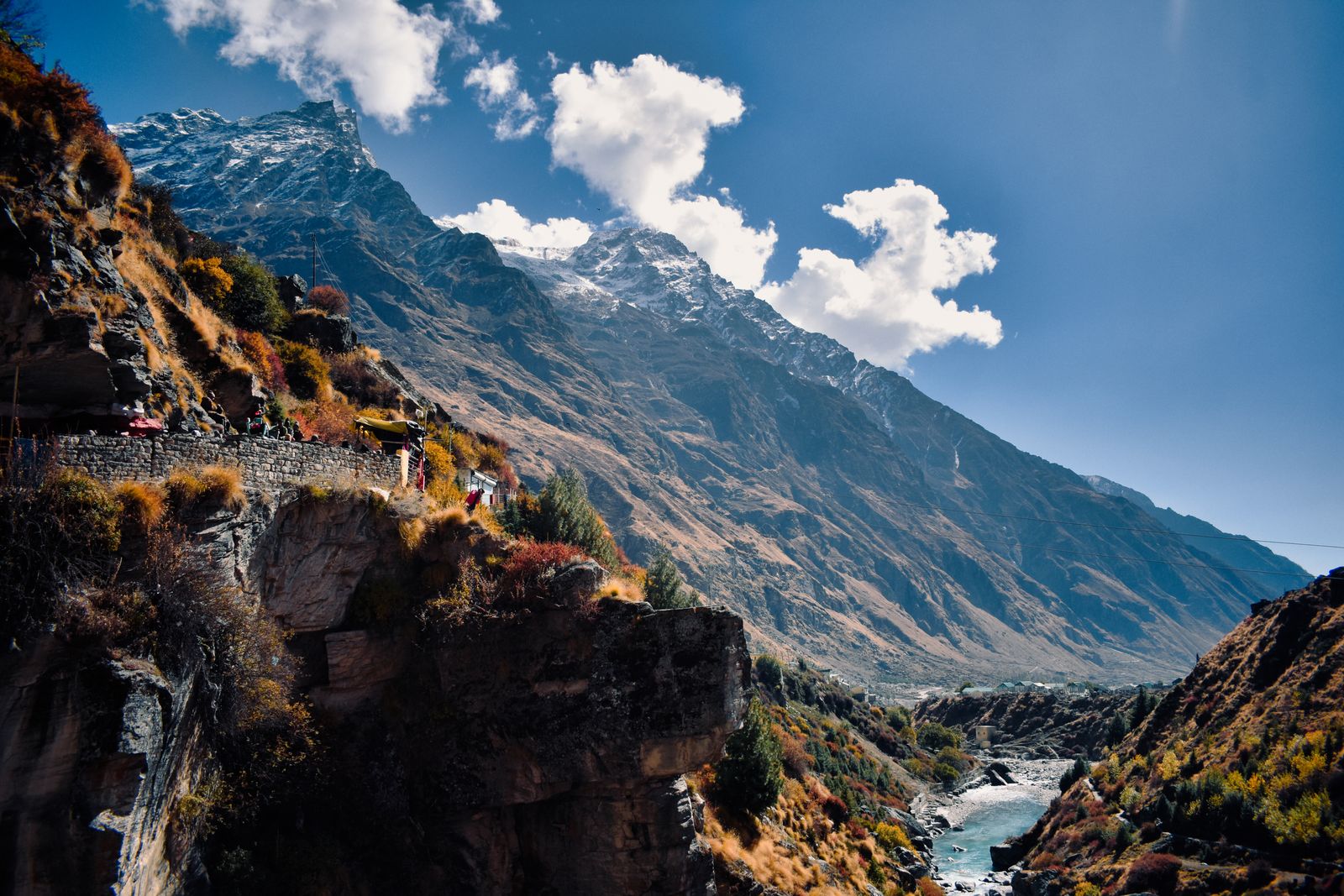
A taste of the journey
Day-by-Day Itinerary
Six days to the valley and back
- Drive from Haridwar to Joshimath.
- Overnight in Joshimath.
- Drive to Govindghat/Pulna and trek ~9 km to Ghangaria.
- Overnight in Ghangaria (mules/porters available).
- Trek into the Valley of Flowers National Park on a day permit.
- Explore the meadows and waterfalls; return to Ghangaria.
- A second, relaxed visit to the valley or a rest day at Ghangaria.
- Optional short walks; overnight.
- Trek down to Govindghat and drive to Joshimath.
- Overnight in Joshimath.
- Long drive back to Haridwar.
- Trip concludes on arrival.
What's Included
Transparent pricing — no hidden surprises
- Pick-up & drop at Haridwar
- 5 nights stay in Joshimath & Ghangaria
- Daily breakfast & dinner
- All travel by private vehicle
- Trek guide & support where applicable
- Required permits (forest / inner-line as applicable)
- Driver allowance, tolls & parking
- 24x7 on-trip support
- Airfare / train fare (can be added)
- Pony, palki, porter & personal trek gear
- Entry tickets & personal expenses
- Lunches (unless specified)
- GST as applicable
- Anything not mentioned in inclusions
Things to Carry
Himalayan trekking essentials
Important Notes
Please read before booking
Permits: Forest / eco-development permits apply to areas like the Valley of Flowers and Nanda Devi Biosphere, and inner-line permits to Adi Kailash / Om Parvat. We arrange the required permits for you.
Fitness & altitude: These are moderate-to-hard high-altitude treks. Good cardio fitness, some prior trekking and gradual acclimatisation are important; we recommend carrying a doctor's fitness note.
Best time: The Valley of Flowers is best in the July–September bloom; most other treks are best May–June and September–October, when the passes are clear.
Guided & supported: Treks are guided with a support team and camping where required. Weather can change fast at altitude — carry proper trek shoes, warm layers and rain protection.
Frequently Asked Questions
Everything you need to know before you book
It is a UNESCO World Heritage site where, each monsoon, a high alpine valley fills with hundreds of species of wildflowers — a rare, spectacular natural display against snow peaks.
Mid-July to mid-August is peak bloom; flowers are still lovely into September. Before July there is little colour, and the park closes for winter around October.
It is moderate — a ~9 km trek to Ghangaria, then a ~3.5 km walk each way into the valley on gentle gradients. Reasonable fitness is enough, and mules are available to Ghangaria.
Yes — a forest day permit is required to enter the national park. We arrange it, and it is valid for a limited number of days.
No — there is no camping or overnight stay inside the park. You base at Ghangaria and visit the valley on day trips.
The park is part of the Nanda Devi Biosphere and is home to species like the blue sheep, Himalayan monal and, rarely, the elusive snow leopard, alongside the famous flora.
Yes — fit beginners do it comfortably. The main challenge is the monsoon weather and the initial climb to Ghangaria; the valley walk itself is gentle.
Yes — Hemkund shares the Ghangaria base, so it is a natural add-on. Our Hemkund Sahib & Valley of Flowers trip does both.