About this Himachal Tour
Spiti through its living Buddhist heritage
A journey through Spiti's soul - its Buddhist monasteries. Trace the trail from Nako via the 1,000-year-old Tabo (the Ajanta of the Himalayas), the cliff-hanging Dhankar, and the iconic Key Monastery, with time to sit in on prayers and meet monks.
Slower and more contemplative than a standard circuit, this trail is for those drawn to art, faith and Himalayan history.
Trip Highlights
Ancient murals, cliff gompas and living faith
1,000-year-old Tabo Monastery
The cliff-top Dhankar gompa
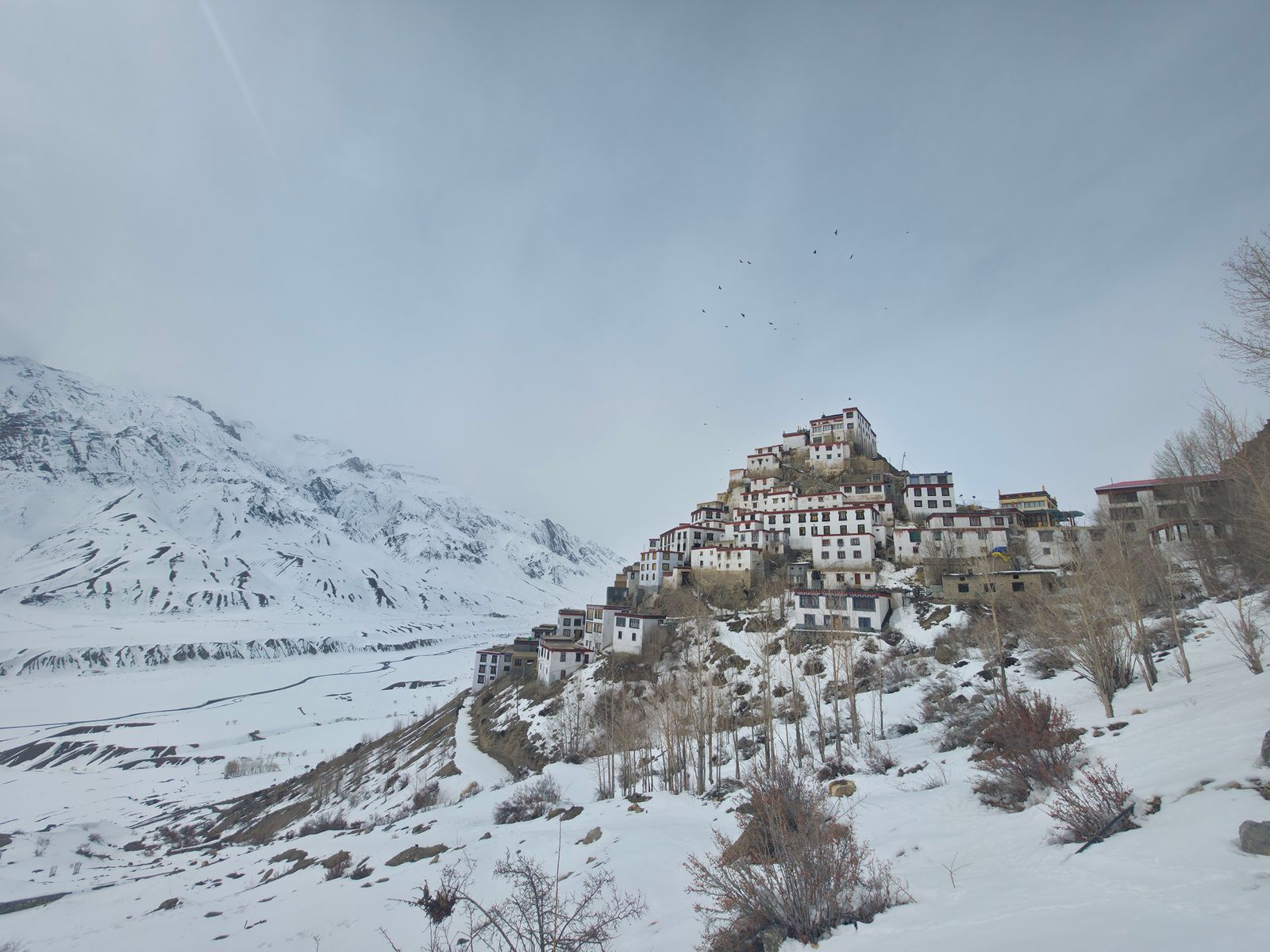
The iconic Key Monastery
Nako village & lake
Morning prayers with the monks
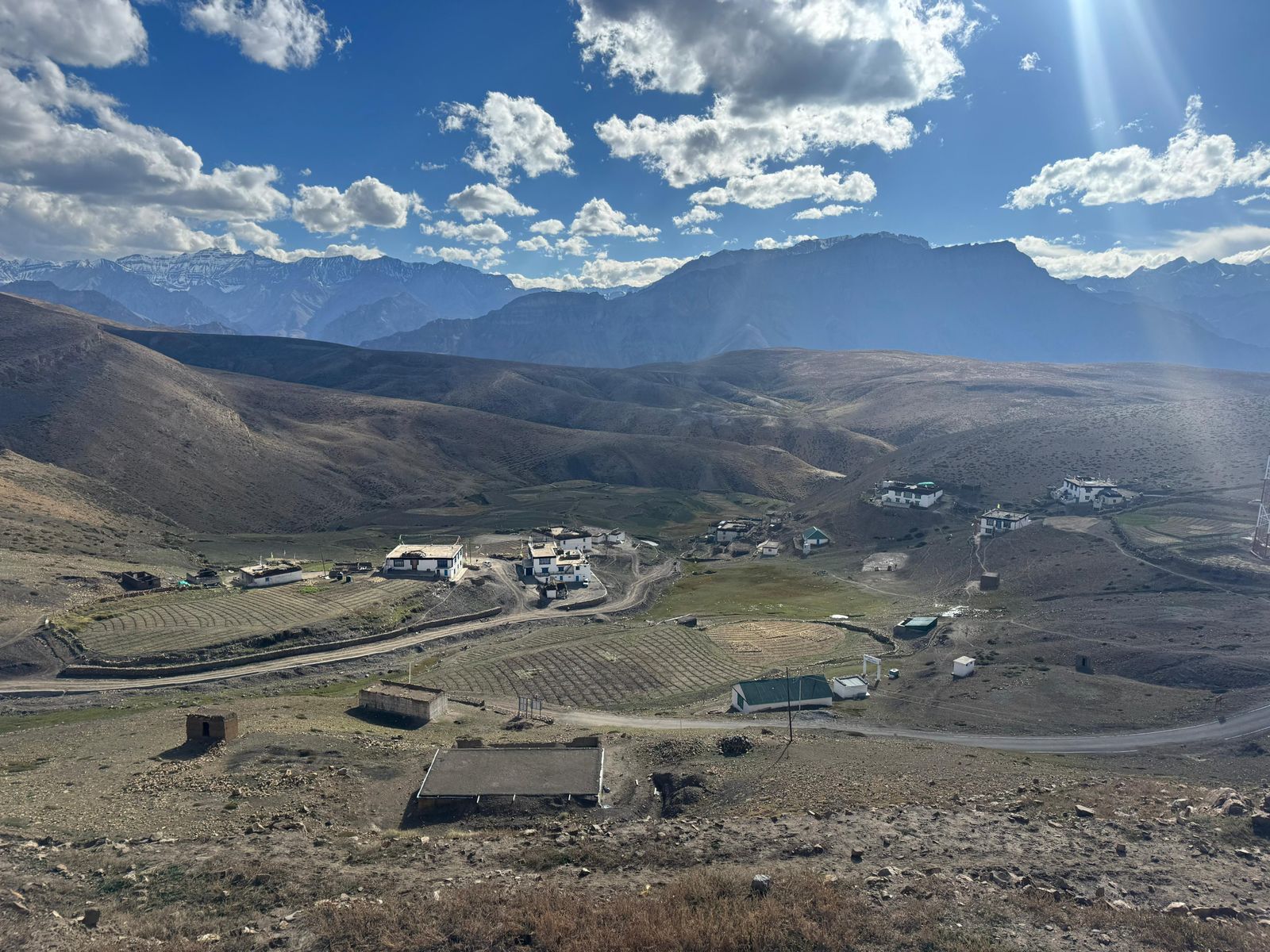
Langza, Hikkim & Komic
Trip Gallery
A taste of the trip
Day-by-Day Itinerary
Eight days on the Spiti monastery trail
- Drive from Shimla into Kinnaur.
- Reach Kalpa; Kinner Kailash views.
- Drive past the Sutlej gorges to Nako.
- Nako lake, the old village and its ancient gompa.
- Drive to Tabo; explore the 1,000-year-old monastery and cave shrines.
- Slow evening to absorb the murals.
- The dramatic Dhankar Monastery and old fort.
- Optional short Dhankar lake walk; continue to Kaza.
- Attend morning prayers at the Key Monastery.
- Kibber village and the Kaza gompa.
- Langza's Buddha and fossils, Hikkim's post office.
- Komic and its monastery, among the world's highest.
- Long, scenic drive back down through Spiti and Kinnaur.
- Overnight at Kalpa.
- Drive back to Shimla; trip ends.
- A contemplative Spiti journey complete.
What's Included
Transparent pricing — no hidden surprises
- All arrival & departure transfers
- 7 nights hotel stay (Kinnaur & Spiti)
- Daily Breakfast & Dinner
- All sightseeing & transfers by private vehicle
- Driver allowance, fuel, tolls & parking
- 24x7 on-trip support
- Train/air fare to the start city
- Lunches & personal expenses
- Rohtang permit, adventure & activity charges
- Entry tickets, ropeway & pony rides
- GST as applicable
- Anything not listed under inclusions
Things to Carry
High-altitude cold-weather essentials
Important Notes
Please read before booking
Altitude: Spiti, Kinnaur and Chandratal sit at 3,000–4,300m. We build in acclimatisation and keep the pace gentle to reduce the risk of mountain sickness (AMS).
Roads & Season: High passes like Kunzum and the Atal Tunnel route are seasonal; the summer Spiti circuit runs roughly June–October, while winter Spiti is a special snow experience.
Connectivity: Mobile network and ATMs are limited beyond Kaza and Reckong Peo. Postpaid SIMs work best; carry enough cash.
Permits: Indian nationals do not need inner-line permits for the main Spiti and Kinnaur circuit; we advise on any local requirements before you travel.
Frequently Asked Questions
Everything you need to know before you book
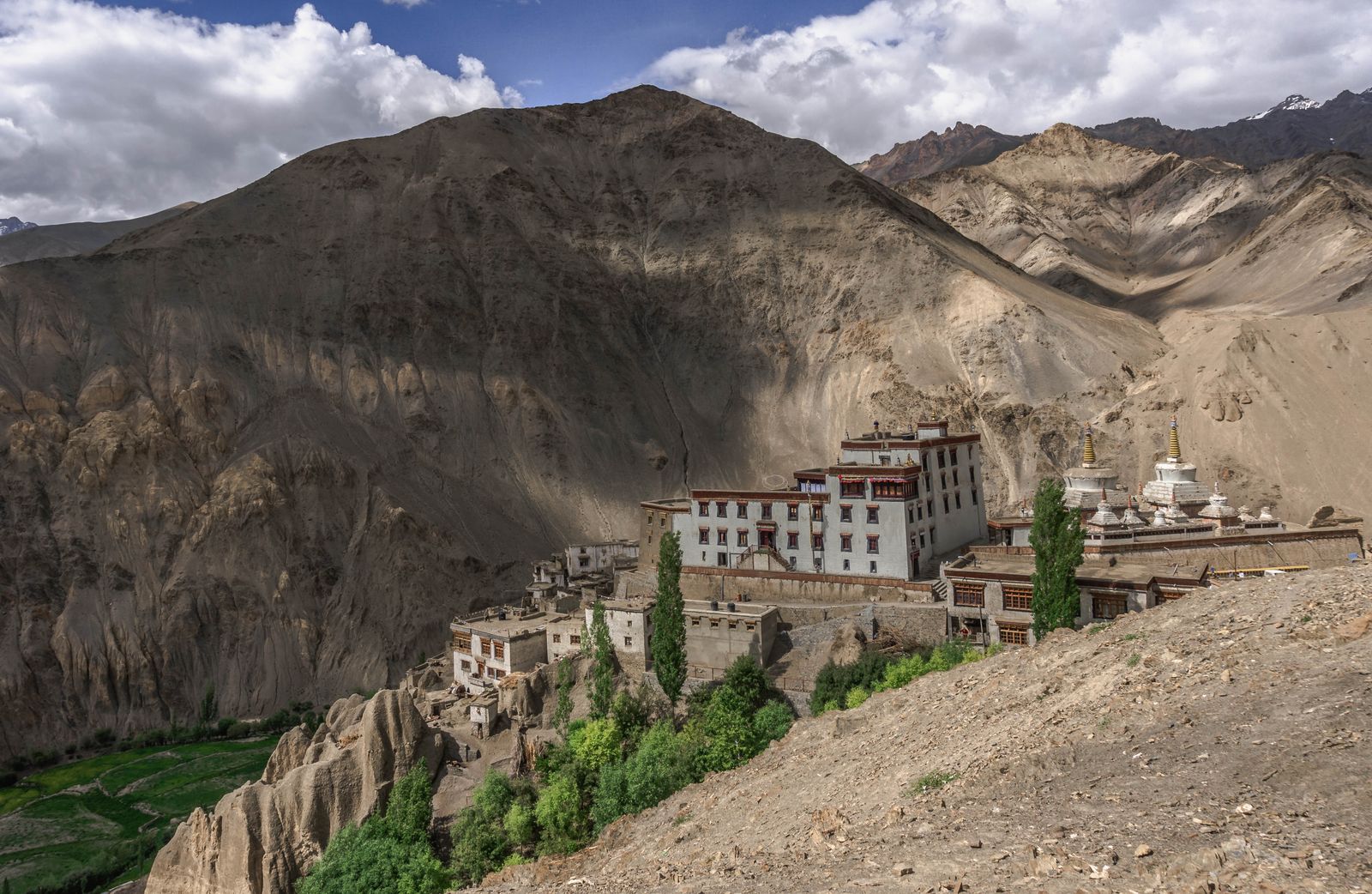
The main ones are Nako's village gompa, the 1,000-year-old Tabo Monastery, the cliff-top Dhankar, the iconic Key Monastery, and the high-village gompas of Komic and Langza - a rich spread of Spiti's Buddhist heritage.
Tabo Monastery, founded in 996 AD, holds exquisite ancient murals, stucco statues and thangkas inside its mud-walled temples, comparable in artistic importance to the Ajanta caves. It is one of India's oldest continuously functioning Buddhist monasteries.
Yes - we time visits to catch morning prayers at Key Monastery where possible, and there are chances to interact respectfully with monks and learn about monastic life. Please follow etiquette and dress modestly.
Exterior photography is usually fine, but interiors (especially Tabo's ancient murals) often prohibit photography to protect the art. We brief you on the rules at each site - please respect them.
It is a there-and-back monastery-focused route via Kinnaur, spending more time on the gompas and their history and less on chasing the full loop. It suits travellers drawn to culture, art and faith.
Dress modestly with shoulders and knees covered, remove shoes where required, walk clockwise around shrines and stupas, and keep noise low. Your guide will explain the etiquette at each gompa.
By ascending gradually via Kinnaur and Nako before reaching Kaza, with an easy, contemplative pace, rest built in, and oxygen and first aid carried throughout.
June to October, when the roads via Kinnaur are open and clear. September and October offer crisp air, golden light and quieter monasteries - ideal for a reflective trip.