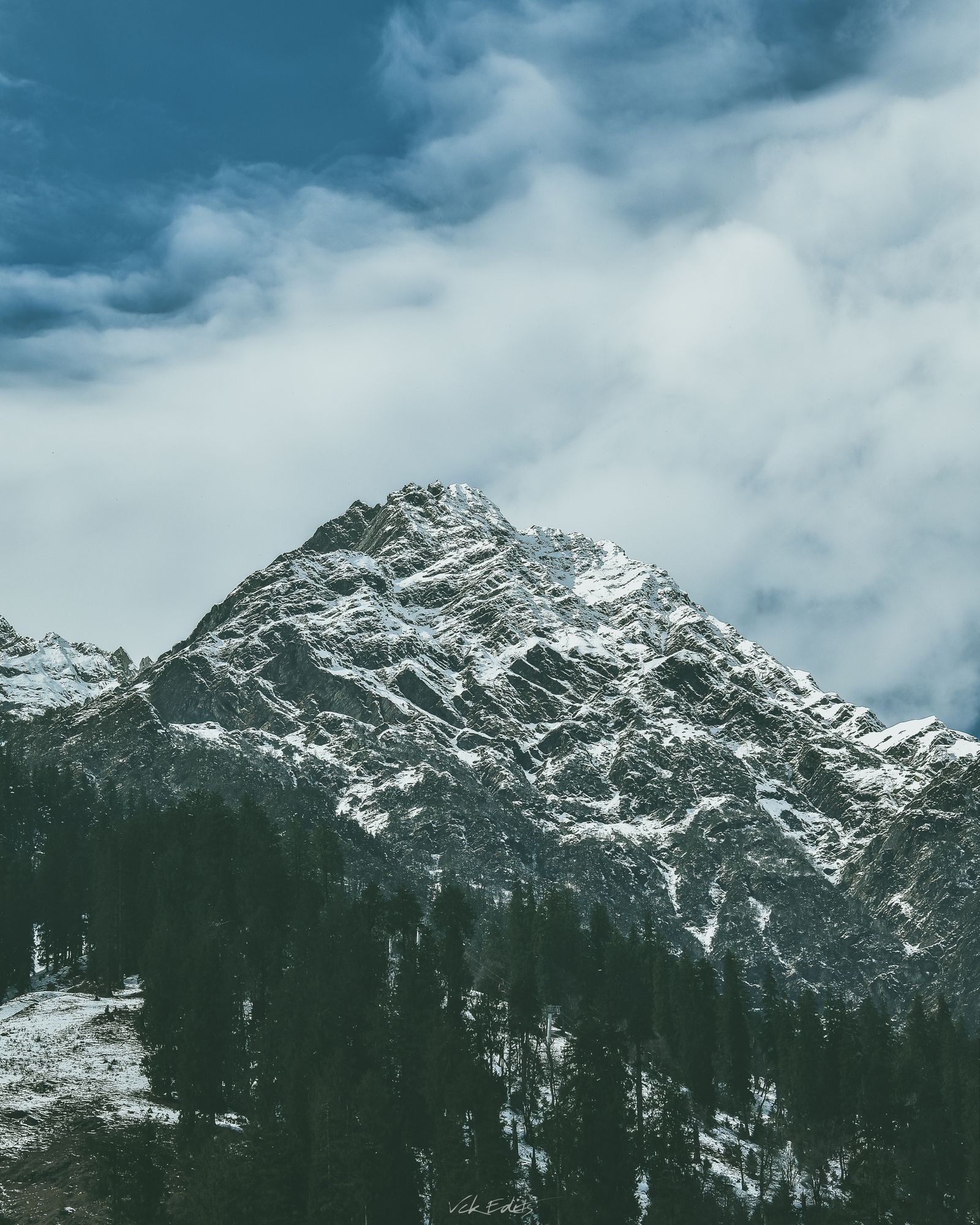
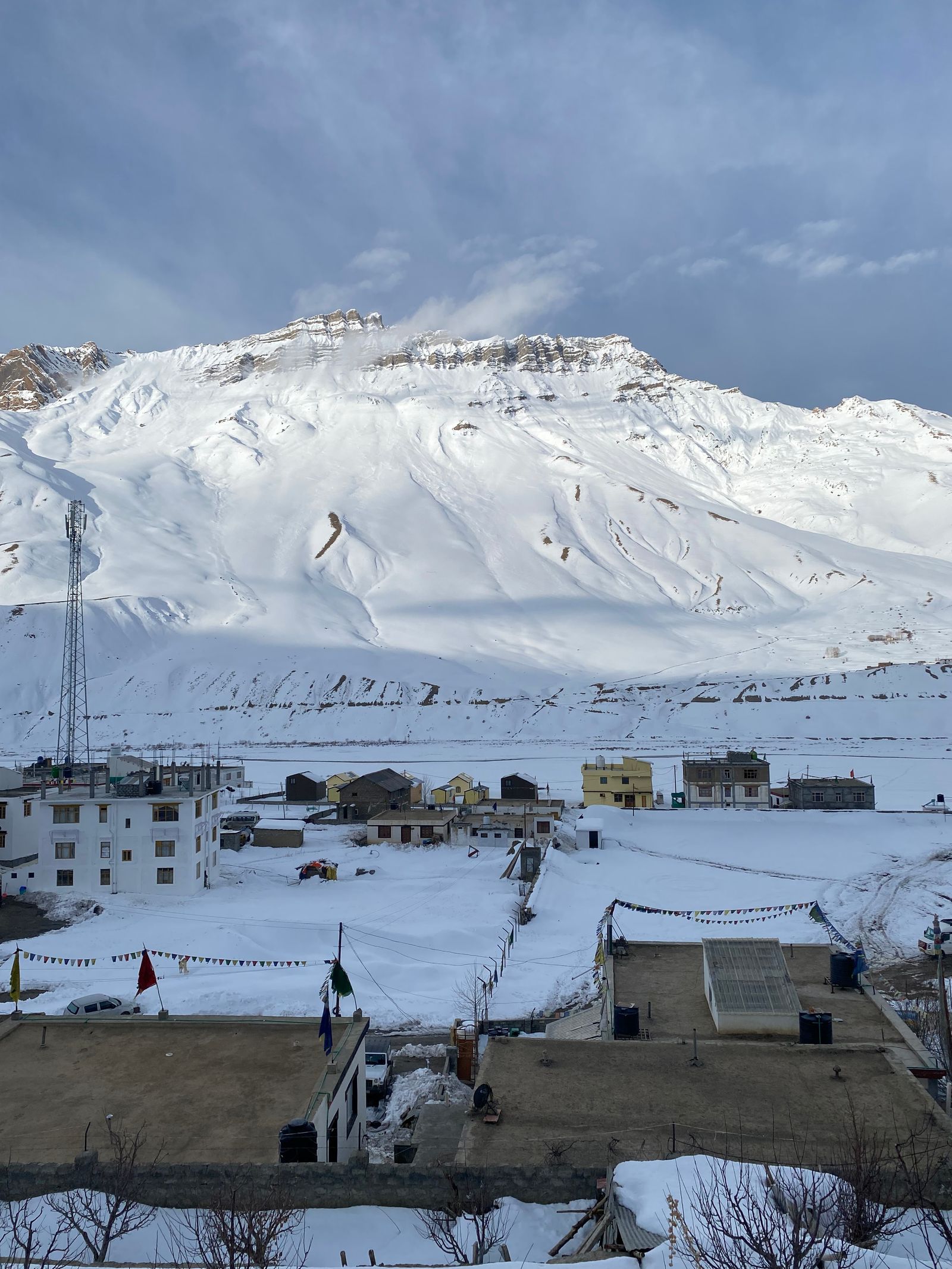
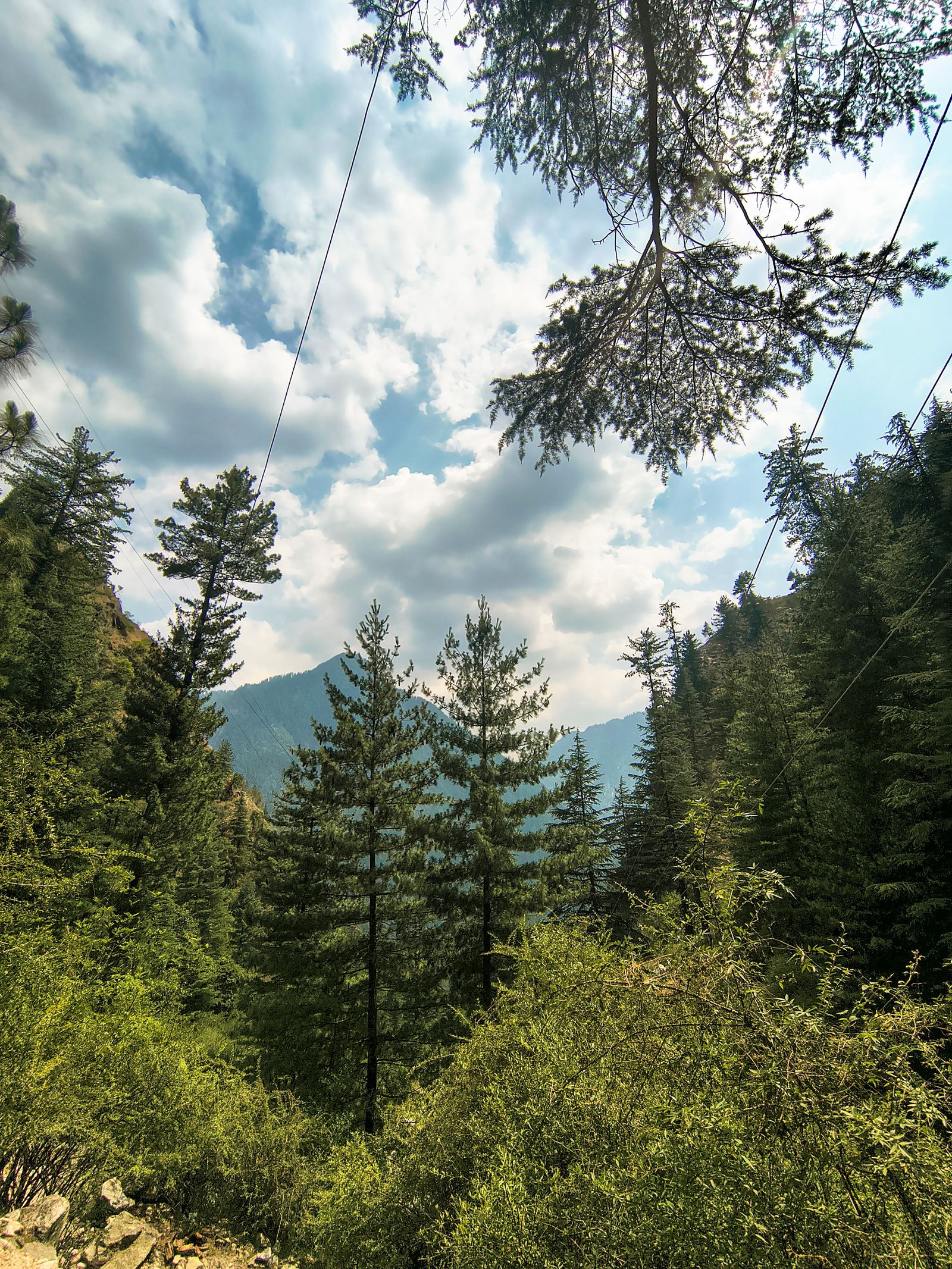
About this Himachal Tour
The green, gentle side of the high Himalaya
All the beauty of Kinnaur without going as high or remote as Spiti. Five nights in the lush Baspa valley - the meadows and wooden homes of Chitkul (India's last village), the apple orchards of Kalpa, and dawn views of the sacred Kinner Kailash range.
Lower, greener and gentler, it is a wonderful introduction to the high Himalaya for those not ready for full Spiti.
Trip Highlights
Last villages, orchards and sacred peaks
Chitkul - India's last village
Kalpa & its apple orchards
Sunrise on Kinner Kailash
The Baspa river & meadows
Sangla valley & old temples
Kamru fort & village life
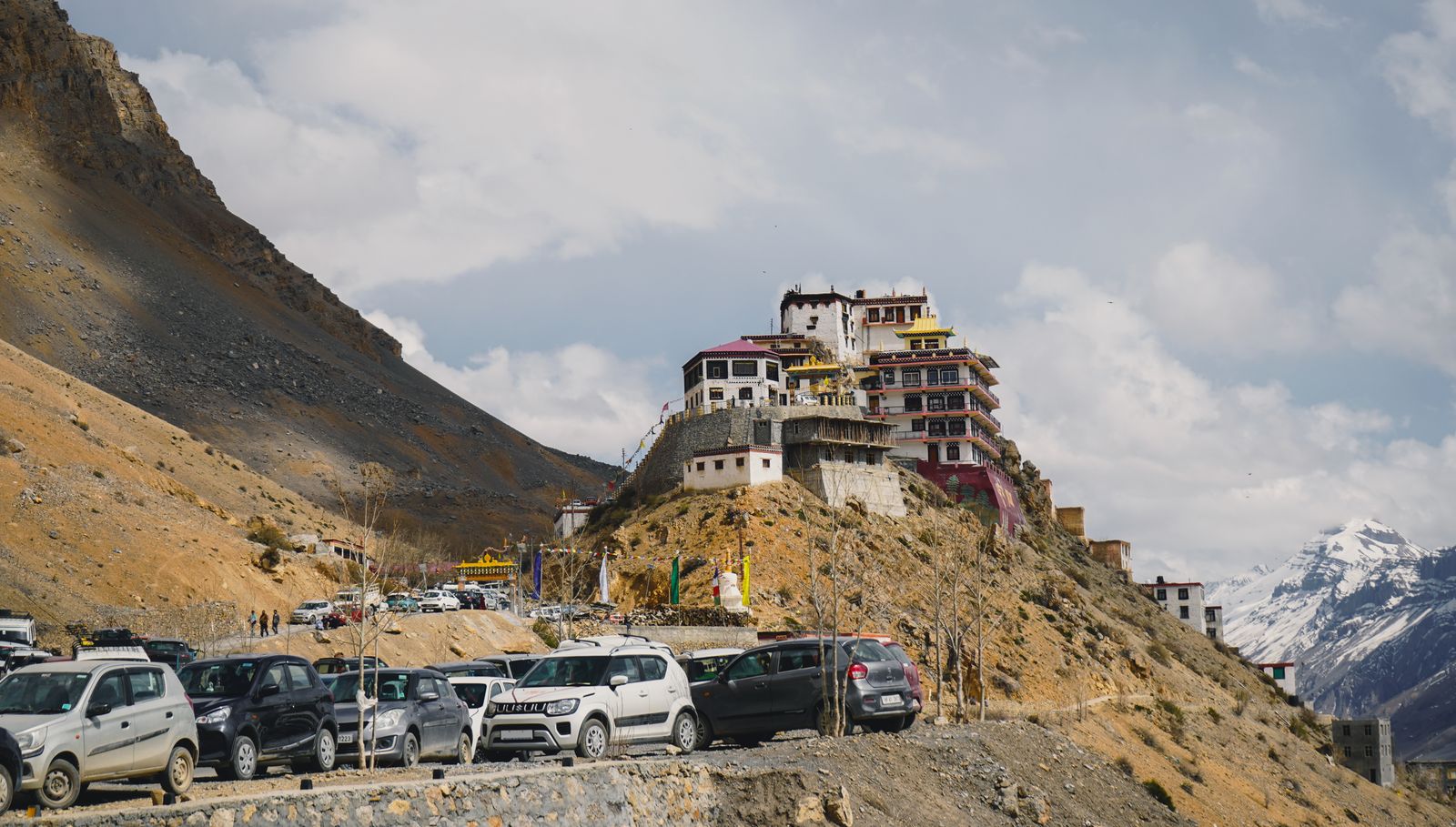
Trip Gallery
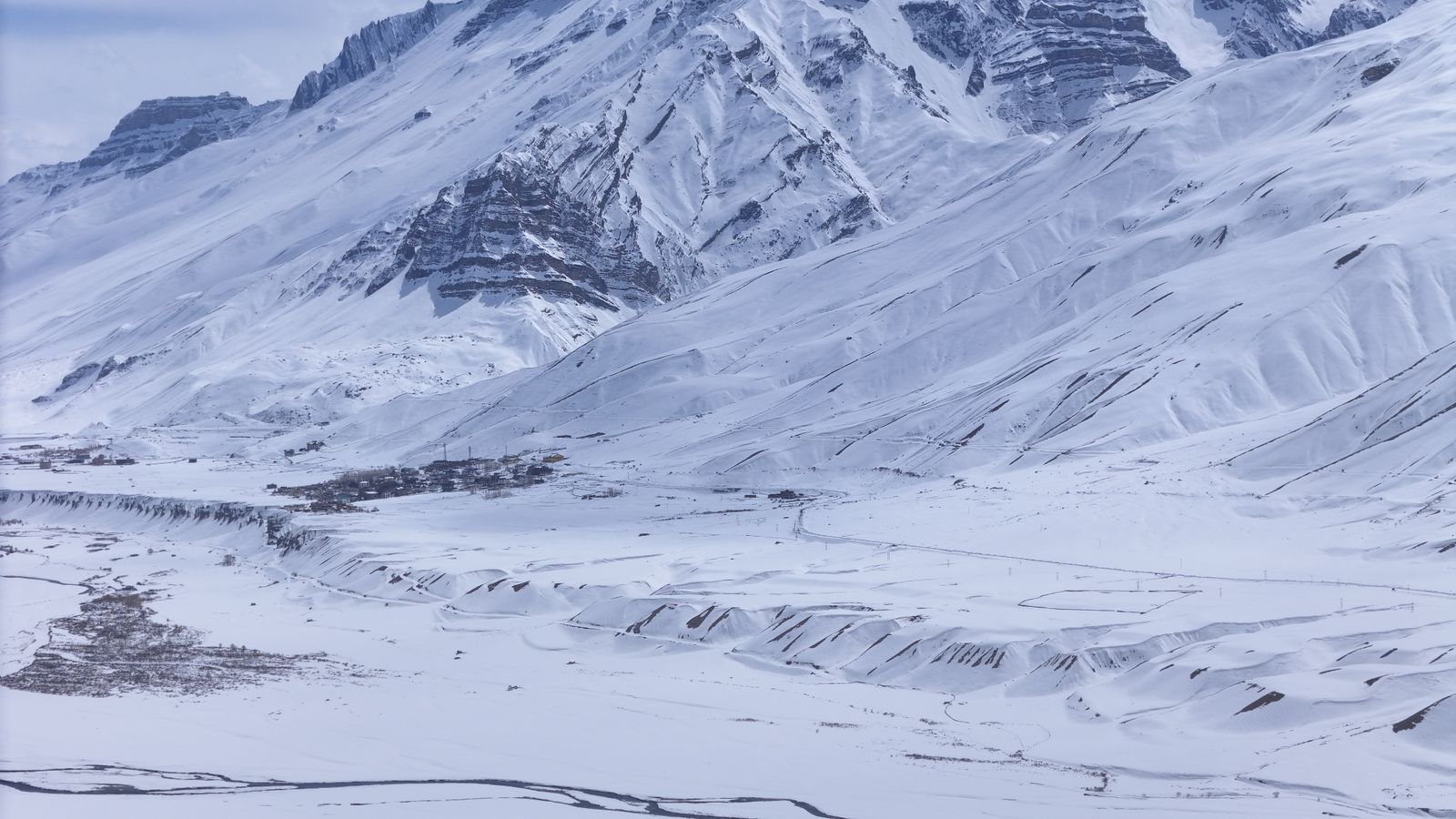
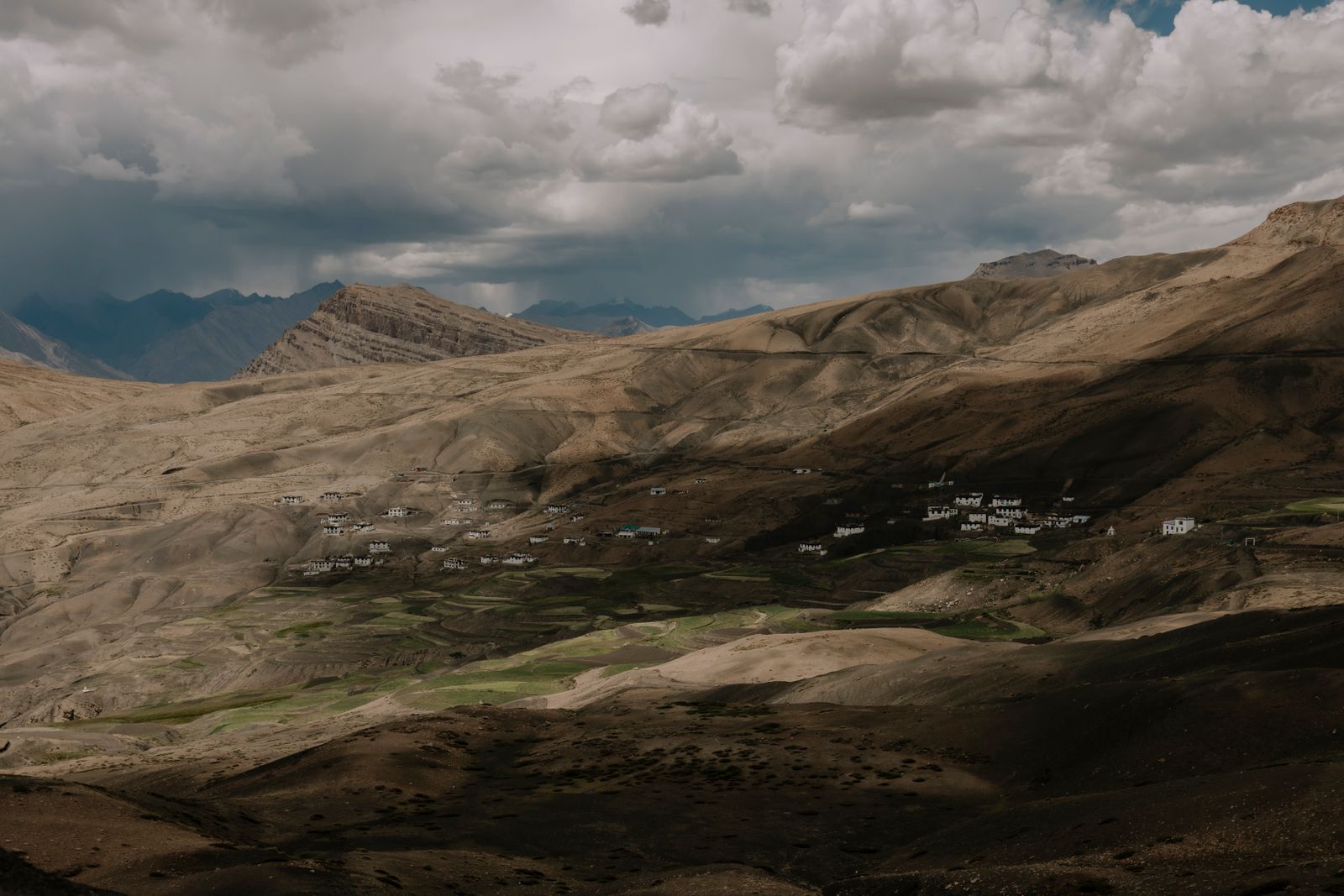
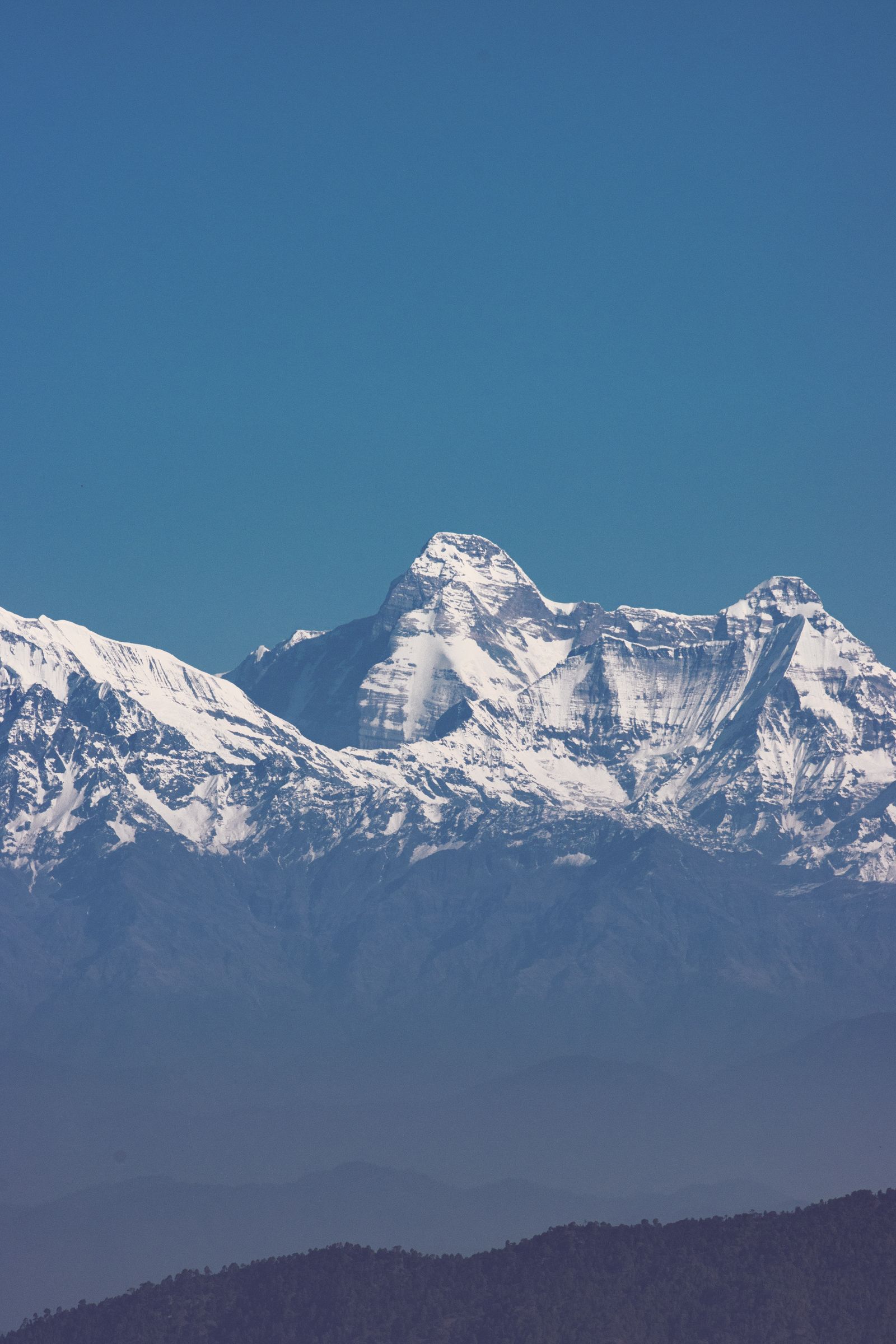
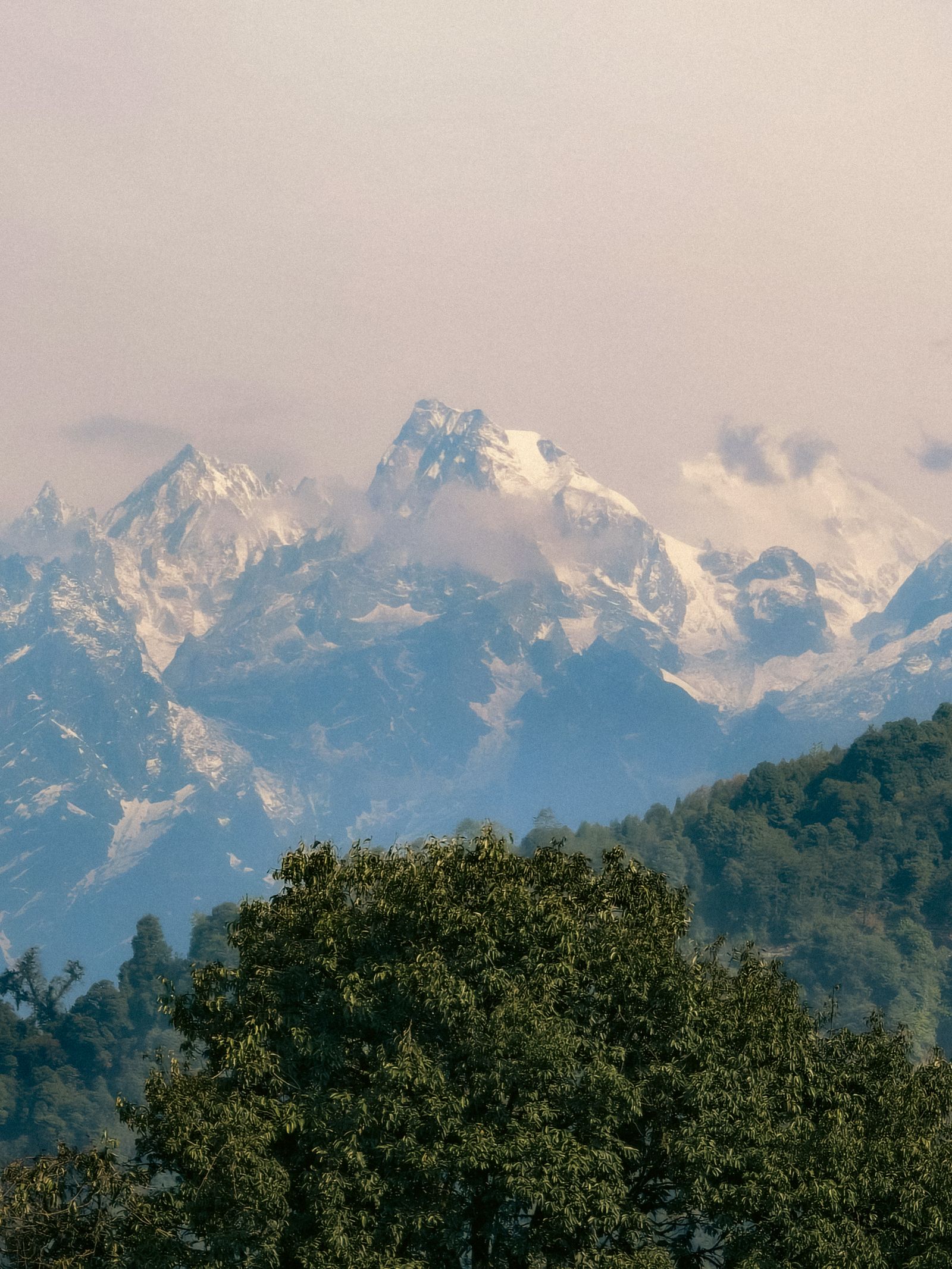
A taste of the trip
Day-by-Day Itinerary
Six days in the Baspa valley of Kinnaur
- Drive from Shimla into Kinnaur along the Sutlej.
- Reach Sangla in the green Baspa valley.
- Explore Sangla, Kamru fort and the Bering Nag temple.
- Riverside walks in the Baspa valley.
- Excursion to Chitkul, the last inhabited village on the old road.
- Meadows, wooden homes and the pristine Baspa river.
- Drive to Kalpa via Reckong Peo.
- Apple orchards and evening Kinner Kailash views.
- Sunrise on Kinner Kailash from Kalpa.
- Roghi village and the dramatic Suicide Point viewpoint.
- Long, scenic drive back to Shimla.
- Trip ends; onward journey.
What's Included
Transparent pricing — no hidden surprises
- All arrival & departure transfers
- 5 nights hotel stay (Kinnaur)
- Daily Breakfast & Dinner
- All sightseeing & transfers by private vehicle
- Driver allowance, fuel, tolls & parking
- 24x7 on-trip support
- Train/air fare to the start city
- Lunches & personal expenses
- Rohtang permit, adventure & activity charges
- Entry tickets, ropeway & pony rides
- GST as applicable
- Anything not listed under inclusions
Things to Carry
High-altitude cold-weather essentials
Important Notes
Please read before booking
Altitude: Spiti, Kinnaur and Chandratal sit at 3,000–4,300m. We build in acclimatisation and keep the pace gentle to reduce the risk of mountain sickness (AMS).
Roads & Season: High passes like Kunzum and the Atal Tunnel route are seasonal; the summer Spiti circuit runs roughly June–October, while winter Spiti is a special snow experience.
Connectivity: Mobile network and ATMs are limited beyond Kaza and Reckong Peo. Postpaid SIMs work best; carry enough cash.
Permits: Indian nationals do not need inner-line permits for the main Spiti and Kinnaur circuit; we advise on any local requirements before you travel.
Frequently Asked Questions
Everything you need to know before you book
Kinnaur is lower, greener and gentler than Spiti, with apple orchards, pine forests and river valleys rather than high cold desert. It is a wonderful high-Himalaya experience without the extreme altitude and remoteness of Spiti.
Chitkul is the last inhabited village on the old Hindustan-Tibet road, sitting by the pristine Baspa river with wooden houses, meadows and clean mountain air. It has a peaceful, end-of-the-world charm.
Less than in Spiti - Kalpa and Chitkul sit around 2,600-3,450m, so most people adjust easily. We still keep the pace relaxed and advise on hydration and rest.
Kalpa's orchards blossom in spring (April) and bear fruit through the harvest in September-October, when the valley glows red and gold. Both seasons are beautiful for very different reasons.
Yes - Kinnaur is the gateway to Spiti. If you have more days, we can extend from Kalpa into Nako, Tabo and Kaza, turning this into a full Kinnaur-Spiti circuit.
Yes - because it stays at moderate altitude with gentle sightseeing and short walks, it suits families and older travellers better than the higher Spiti routes.
April to June and September to October are ideal - pleasant weather and clear mountain views. Monsoon (July-August) can bring landslides on the Kinnaur roads, so we plan carefully.
Shimla to Sangla is a long day of about 7-8 hours along the Sutlej. We start early, build in stops, and use experienced drivers for the winding mountain sections.