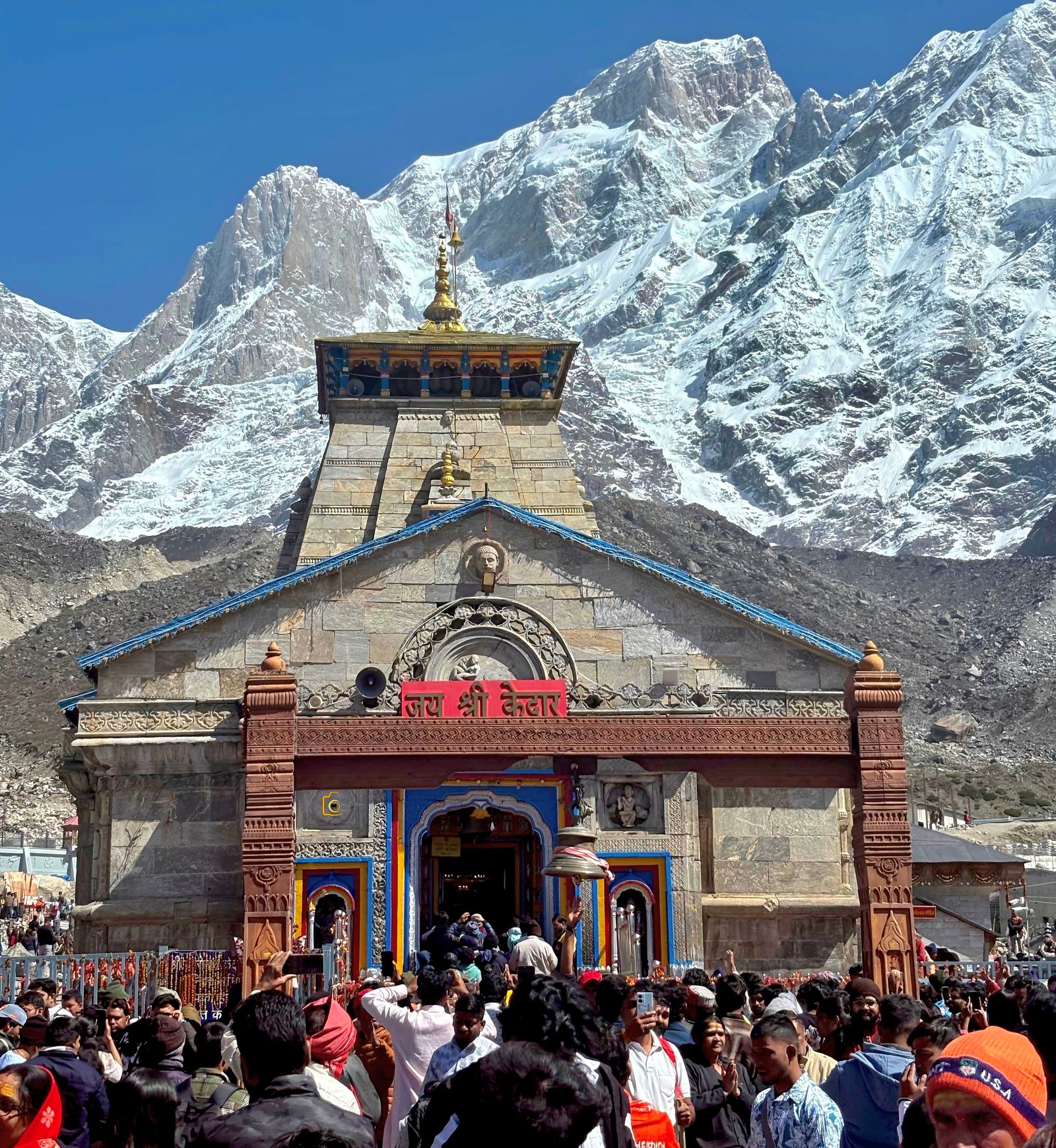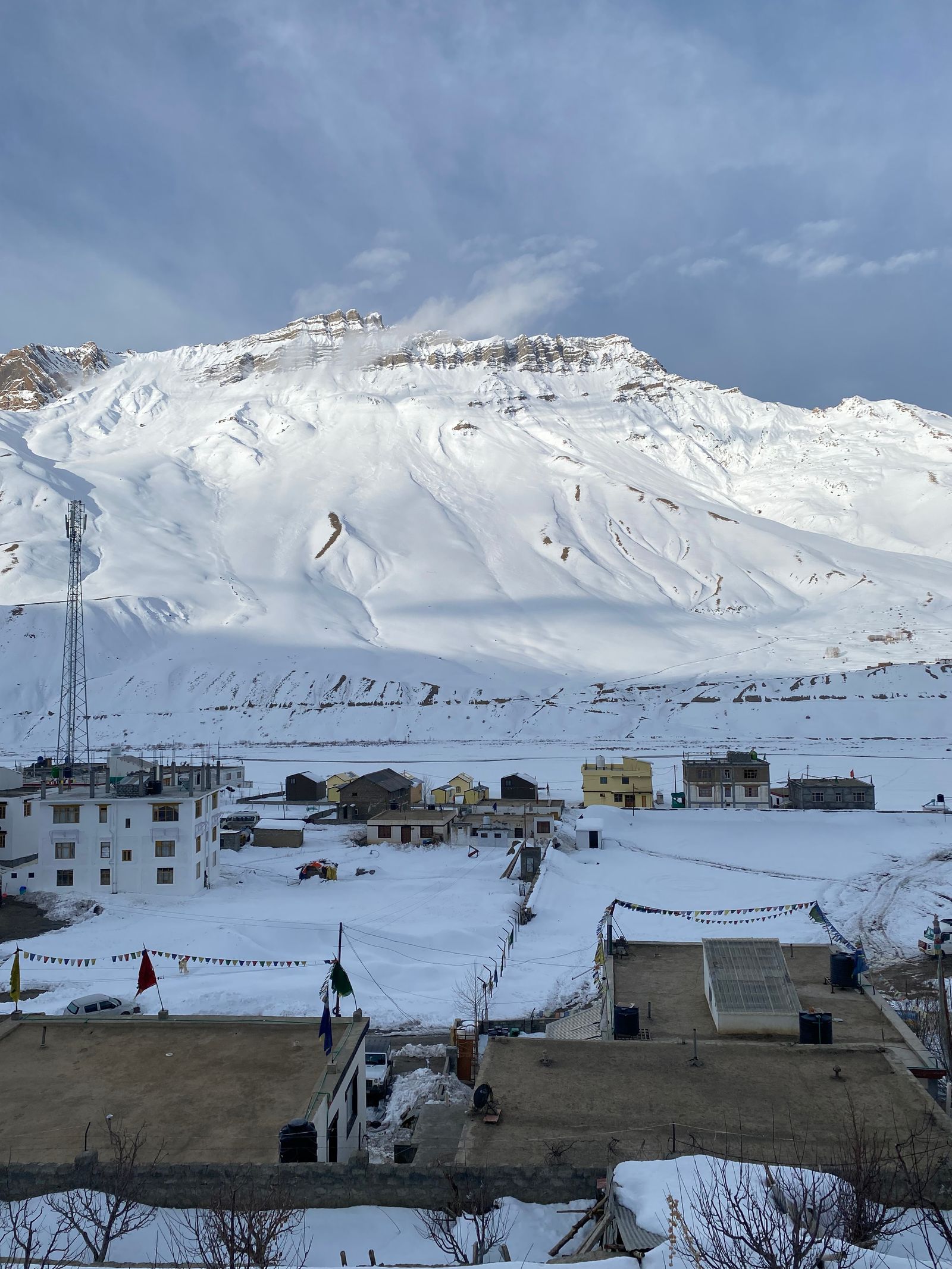
Spiti is one of the most spectacular regions in the Indian Himalayas — but it's also one of the most misunderstood. Before you pack your bags, here are ten honest things every first-timer should know.
Tucked between Tibet and the Kinnaur valley, Spiti is a cold desert mountain valley sitting at an average altitude of over 3,800 metres. It rewards travellers with ancient monasteries, moonscape mountains and some of the clearest night skies in the country. It also asks a little preparation in return. Here's what the glossy photos don't tell you.
1. In winter, there's only one way in
Spiti has two road approaches — via Manali and via Shimla–Kinnaur. From roughly November to May, the Manali route closes because of heavy snow at Kunzum Pass and Rohtang. The Shimla–Kinnaur route stays open year-round, which is why every winter Spiti itinerary takes it. Plan your direction accordingly.
2. Altitude is real — respect it
Many travellers underestimate AMS (acute mountain sickness). Spiti climbs above 4,000 m at several points, and ascending too fast can cause headaches, nausea and worse.
- Acclimatise gradually — the Kinnaur route helps your body adjust slowly.
- Drink plenty of water and avoid alcohol for the first 48 hours.
- Tell your trip captain immediately if you feel unwell.
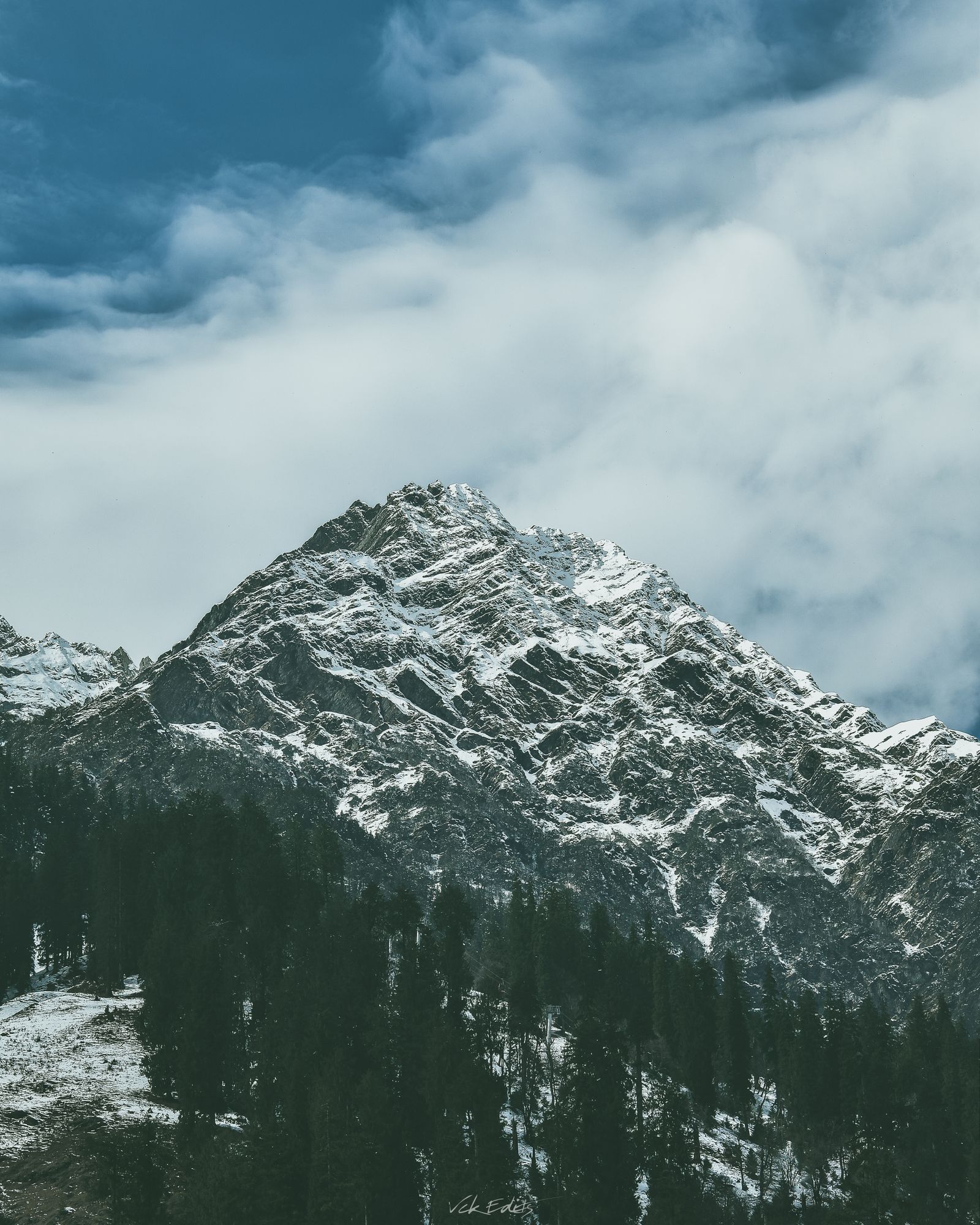
3. You will lose mobile network — and that's the point
Only BSNL works in parts of Spiti, and even that is patchy. Villages like Hikkim and Komic have essentially zero signal. Tell your family in advance that you'll be off the grid, then enjoy the rare luxury of a genuine digital detox.
4. Carry cash — lots of it
ATMs are rare and frequently out of cash or offline. Cards are accepted almost nowhere outside Kaza. Withdraw what you'll need before you leave the bigger towns, and keep it in more than one place.
5. It gets genuinely cold
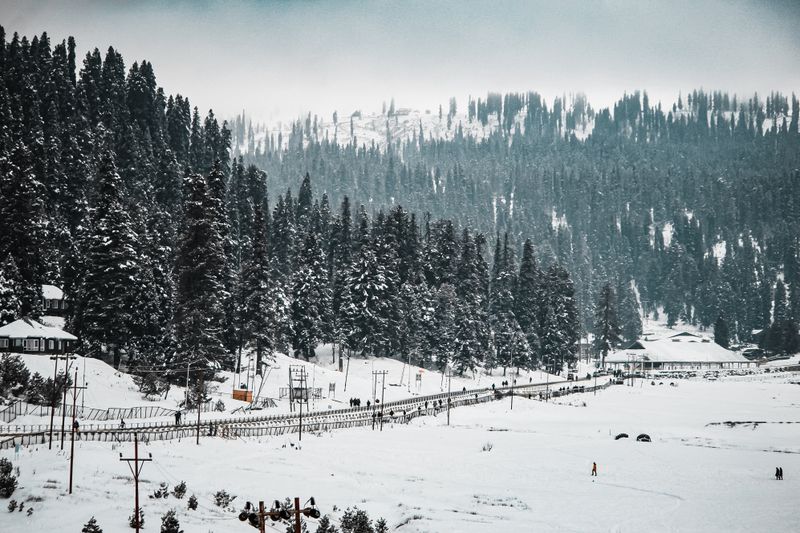
Winter nights can drop to -20°C or lower. Even in summer, mornings and evenings are chilly. Pack proper thermals, a heavy jacket, gloves, woollen socks and a cap — layering is far more effective than one bulky coat.
The cold is the price of admission. The silence, the stars and the snow are what you take home.
6. Hikkim has the world's highest post office
At around 4,400 m, Hikkim is home to the highest post office on the planet. Buy a postcard, write it on the spot, and post it — it's a small, joyful ritual that almost every Spiti traveller remembers fondly.
7. Homestays are the soul of the valley
Spiti isn't about luxury hotels. The real magic is in family-run homestays — simple rooms, warm blankets, and home-cooked thukpa and momos shared with locals. Go in expecting comfort of a different, warmer kind.
8. Fuel up whenever you can
Petrol pumps are scarce. Kaza has the world's highest retail fuel outlet, but distances between stops are long. If you're self-driving, top up at every opportunity and carry a little reserve.
A quick note on responsible travel
Spiti's ecosystem and monasteries are fragile. Carry your waste out, dress modestly inside monasteries, ask before photographing people, and support local homestays and shops over outside operators.
9. The weather writes the itinerary
Roads can close at short notice. A good operator builds buffer time and has backup plans. Treat the itinerary as a strong guideline, not a contract — flexibility is part of the Spiti experience.
10. Going with a group makes winter Spiti far easier
Winter roads, altitude and remoteness are a lot to manage alone. A small group with an experienced trip captain means safer driving, shared costs, an oxygen cylinder on board, and instant friends for the journey.
Ready to see it for yourself?
If this has you dreaming of frozen rivers and snow-draped monasteries, take a look at our Winter Spiti Valley trip — small groups, all stays and transport sorted, and a captain who's done the route many times.